TCF 2026: Littlepay’s Project Coral update and the next steps for connected travel
by Catherine Goddard
At Smartex’s Transport Card Forum 2026, an update on Project Coral offered a concrete response to the question framing the agenda: How far can we go with connected travel?
If a consistent payment experience is the key to making multi-operator, multimodal journeys feel seamless, the answer is: we can go as far as our ambition takes us.
The technology that can make it happen, which sits at the heart of the DfT-funded Project Coral, is Littlepay’s Broker Service. Designed to allow operators to deliver region-wide contactless fare capping, the bigger goal is to roll out at national scale.
With Coral’s procurement complete, and Littlepay selected to provide the service, the work of onboarding and delivery can begin.
Project Coral update
Presenting together in Manchester, Transport for West Midlands’ Carl Jackson and Littlepay’s Sarah McLaughlin outlined the next steps.
Carl highlighted Coral’s role in connecting operators, modes and neighbouring regions under both franchised and deregulated arrangements. Even where a franchised network uses a common back office, he explained, cross-boundary and multimodal journeys still need integration.
With the West Midlands preparing to introduce bus franchising, the initial Broker Service deployment is planned on participating bus and tram services in the West Midlands in 2027. Wider rollout is intended to follow, with rail integration a longer-term ambition.
For Littlepay, it was an opportunity to explain both how the Broker Service would work and the passenger experience it is designed to support.
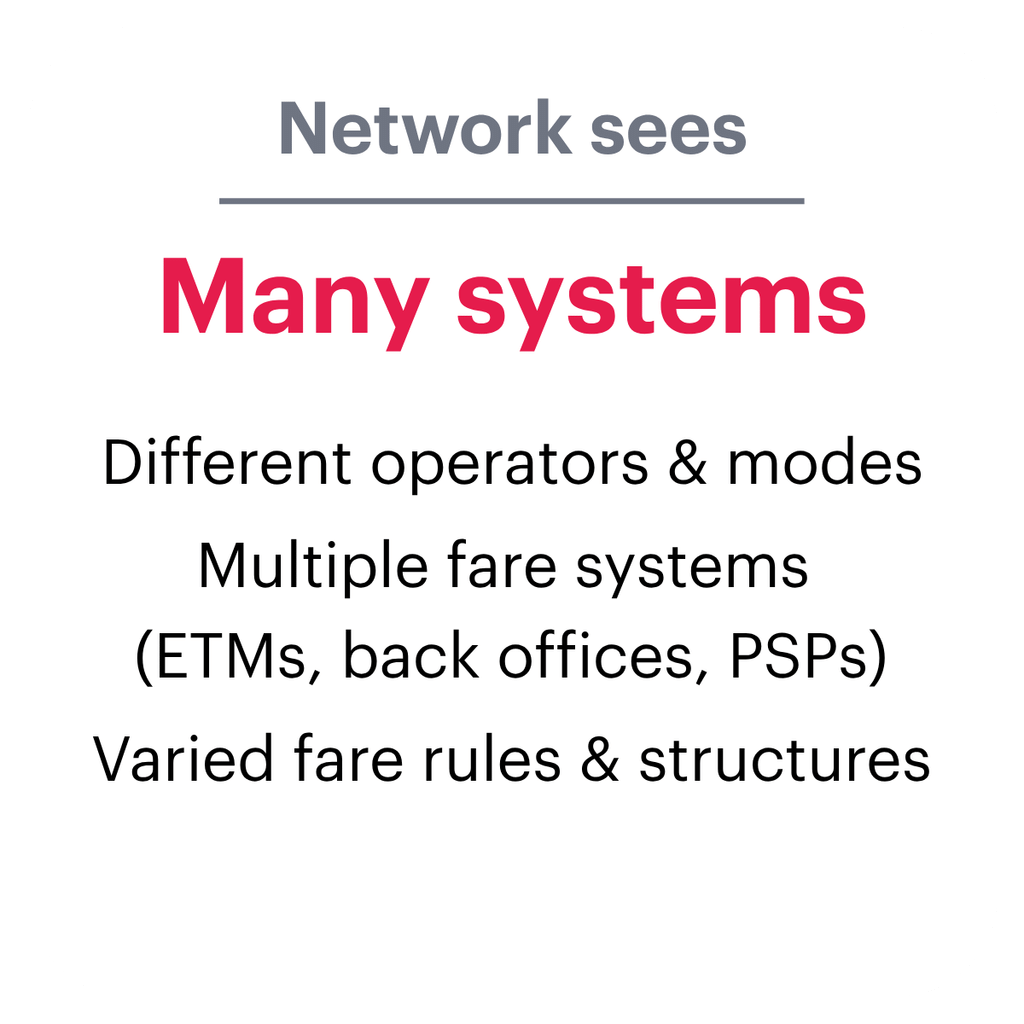
Sarah explained how Littlepay’s Broker Service addresses the mismatch between the way a passenger sees a transport network as a single entity and the reality of what’s underneath: a complex mesh of different operators, ticket machines, payment service providers and back-office systems.
“Broker makes travel simpler across a network and increases confidence in fares. We’re excited to see it enable more connected travel in our regions and nationally.” – Sarah McLaughlin, Senior Business Development Manager, Littlepay
How Littlepay’s Broker Service works
Coral allows operators to retain their existing fare structures and systems where those systems can integrate with the Broker. This matters when replacing technology is too costly, and enables operators to run old and new systems alongside each other during a transition.
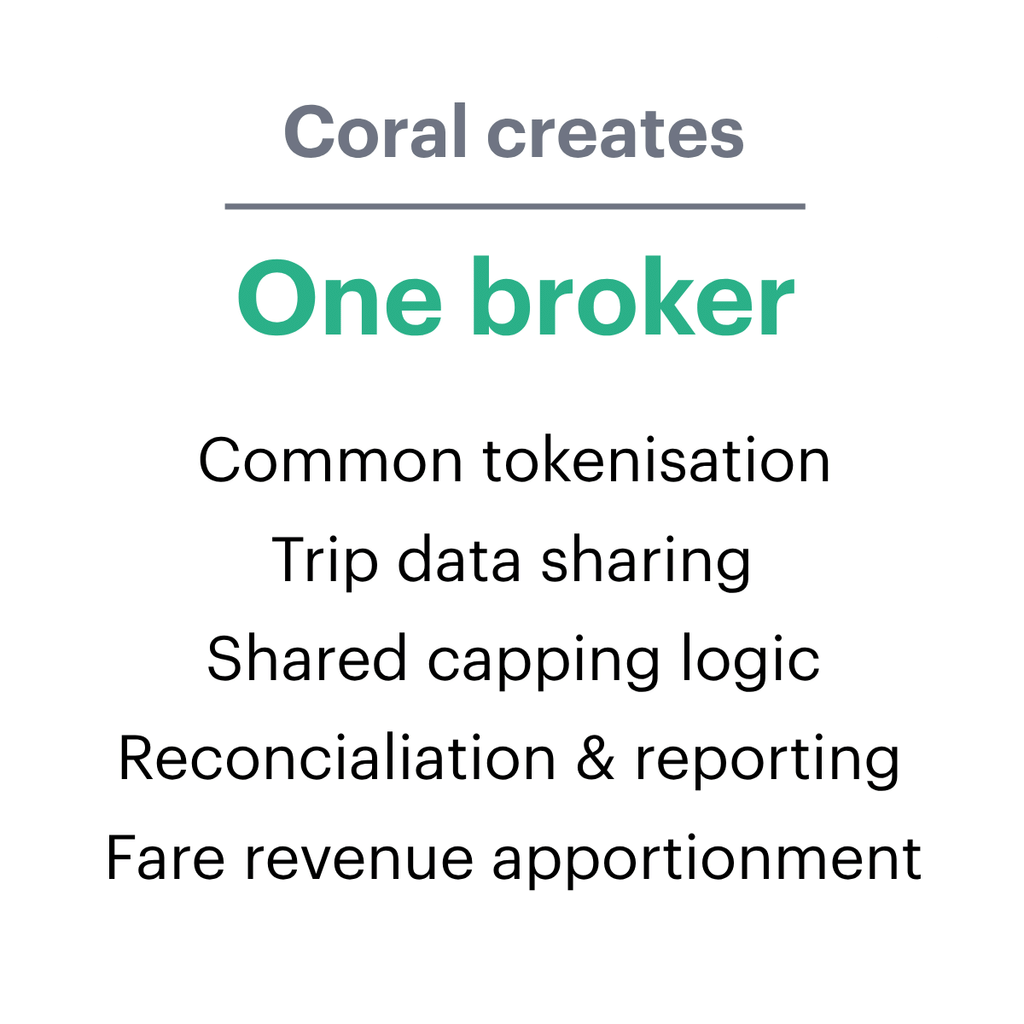
The Broker uses a common token to recognise the same card across participating operators and bring trip data together. It applies the scheme’s shared capping rules and returns charging outcomes to operator systems.
Littlepay’s partner Euclid uses its Fareshare platform to apportion revenue among scheme participants using the shared journey record.
Sarah explained why the shared record matters beyond calculating a cap. This data shows up in portals for authorities, operators and passengers, making sure everyone is on the same page.
Passengers understand their journeys and charges. Customer service teams have the necessary information to resolve issues. Operators and scheme owners have reliable reporting. Creating this clarity for all parties is central to making a multi-operator scheme work.
One journey, many systems, one broker
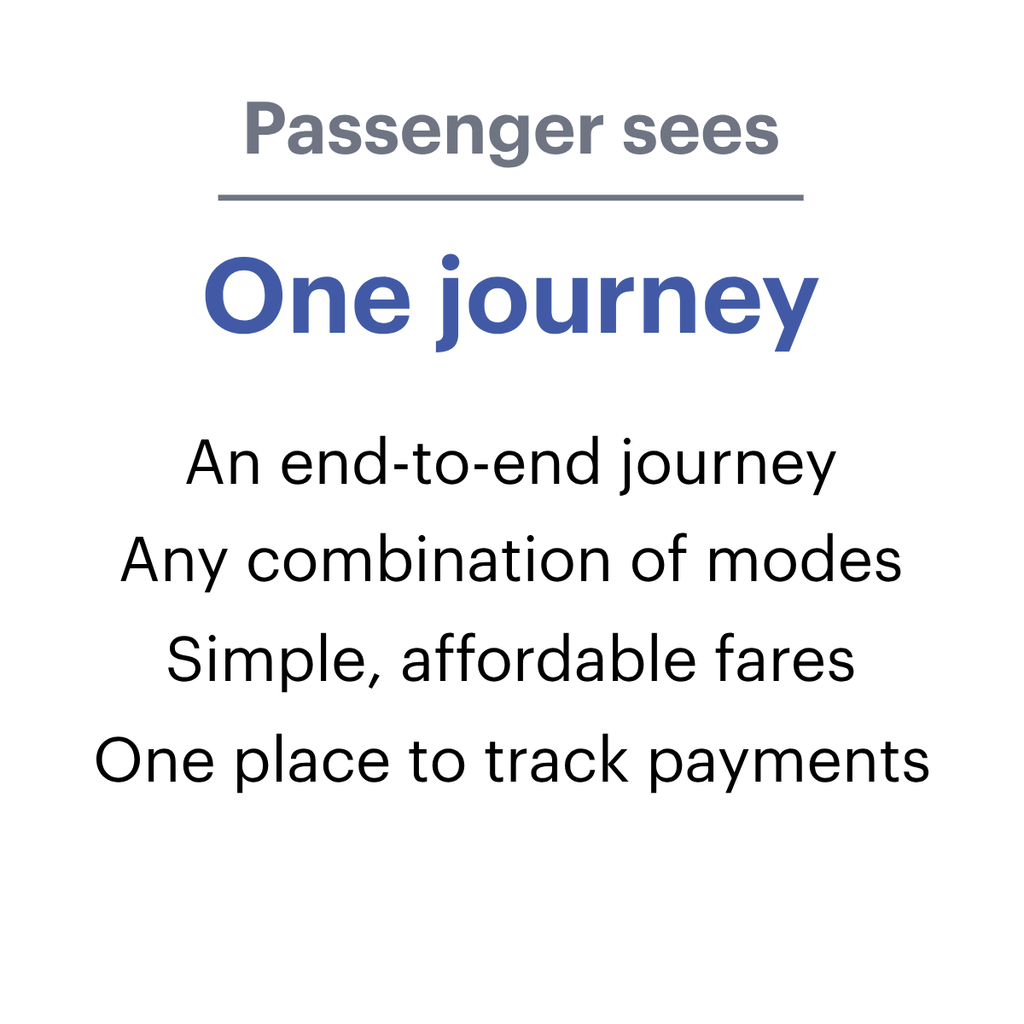
Outcomes that matter: Simplicity and clarity
Simplifying fares and payments was a strong theme throughout the conference. South Yorkshire Mayoral Combined Authority reported that analysis had identified 584 ticket types across the region. Its initial model for more streamlined fare structures would reduce that to 48. The authority also outlined plans for contactless Tap and Go.
However, the challenge goes beyond reducing fare complexity. Passengers need confidence in what they’ll pay and how capping can benefit them. Simpler fares and payments need to go hand in hand with transparency on journey history, charges and fare cap savings.
The connection between simplicity and clarity also ran through the rail Fares, Ticketing & Retail Transformation session. Merel Van Den Booman and Lucy Dean from the programme, alongside Rail Delivery Group’s Thomas Kounnas and Mark Johnston, discussed regional integration work in Greater Manchester and the West Midlands.
Transport for West Midlands outlined plans to extend Swift Go to 75 rail stations, with simpler single-leg fares and automatic checks on whether a combined bus, tram and rail fare offers better value for the journeys made. Delivering that experience requires regional and national rail systems to share data, apply agreed fare rules and allocate revenue between operators.
For passengers, much of that coordination should remain invisible. Emma Handby of Liverpool City Region Combined Authority captured the point:
“I think customers want to trust the outcome and not the explanations.” – Emma Handby, Head of Customer Services, Liverpool City Region Combined Authority
She added that fair charges, consistency and freedom from worrying about buying the wrong ticket matter more to passengers than the technology behind them.
There was lively debate about how to deliver those benefits. Thomas Ableman, Founder of Freewheeling, challenged the assumption that “London-style” contactless ticketing is the gold standard the industry should aspire to. He argued that app-based digital pay-as-you-go can also offer passengers convenience and confidence in fares.
Designing transport for passengers
Other presentations highlighted why local needs and passenger choice matter. Transport for Greater Manchester’s Philippa Shellard and Martin Bell described their young person’s digital concessionary pass, confirming that physical cards remain available for those who need them.
On the issue of inclusion, we heard echoes of a similar sentiment in several sessions: Different approaches are needed to serve specific passenger groups, but journeys, fares and customer support still need to work together across network boundaries.
For Littlepay, these discussions reinforced the importance of designing connected payments around the people using them. Success will be seen in everyday passenger experiences: using multiple operators’ services effortlessly, understanding a charge, or getting a query resolved efficiently.
Creating those simple but meaningful moments requires considerable complexity behind the scenes, a point Michael Wevill made while presenting alongside Transport for Wales:
“We’re trying to make it as easy as possible for the passenger, which means we have to do all the complicated thinking.” – Michael Wevill, Director, Equal Route
Opening up routes to opportunity
The optimism at TCF26 was rooted in what’s possible when we work together to make travel more connected. Suzanne Hutchinson of South Yorkshire Mayoral Combined Authority conveyed the region’s ambition that “Every person in South Yorkshire can stay near and go far,” highlighting that more integrated transport in the UK’s regions means people can stay there but still access opportunities.
Fran Wilkinson, Customer and Growth Director at Transport for Greater Manchester, focused on transport’s purpose. Her keynote described its role in connecting people to work, education, healthcare and experiences that might otherwise be out of reach. She made a powerful statement:
“If we get this right, we’re not just changing how people travel, we’re changing what people can reach.” – Fran Wilkinson, Customer and Growth Director, Transport for Greater Manchester
That is the vision behind Project Coral too. As the Broker Service moves into delivery, the next step is turning connected travel into a normal, daily experience for passengers.
How to get involved in Project Coral
A Project Coral participation guide and onboarding pack are planned for publication in Q4 2026 by West Midlands Combined Authority. Speak to our team to find out more about our Broker Service.
Bus reform and connected travel
For local authorities planning bus reform, our eBook, Fare Collection in Bus Franchising, is a practical guide to choosing the right fare collection model for their network. Compare different approaches and learn what to buy and deploy to give passengers the simple fare payment experience they want.
 Insight
 Knowledge
 News
News