What Is a PSP? The Complete Guide to Payment Service Providers in Transit
by Andreea

Public transport is evolving rapidly. As cities and operators move toward digital infrastructure, payments are becoming a core part of the passenger experience. Riders expect fast, seamless, and contactless journeys as standard. For transit agencies, that makes modern fare collection a strategic priority.
At the centre of this shift is the payment service provider (PSP). Understanding the PSP meaning in transit, and its role across bus and rail networks, is essential for any authority looking to modernise payments and deliver better journeys.
Put simply, a PSP connects riders, payment networks, and transit operators to enable seamless, scalable transactions. In this guide, we explore what a PSP is, how it works across PSP bus and PSP train environments, and why it matters for modern transit systems.
What is a PSP?
A payment service provider (PSP) is a company that enables organisations to accept and process electronic payments. In payment service provider transit systems, a PSP connects the rider’s payment method directly to the transit agency’s bank account, enabling fast and frictionless travel.
In practice, the PSP acts as the central orchestration layer in the payment flow. It ensures transactions move securely and efficiently between riders, operators, payment networks, and issuing banks.
When defining the PSP meaning, it is important to go beyond basic processing. A PSP also manages security, compliance, reporting, and system reliability. This removes significant operational complexity from transit agencies.
Without a PSP, operators would need to build and maintain their own payments infrastructure. This is costly, complex, and difficult to scale across growing networks.
How does a PSP work?
To understand how a PSP works in transit, consider a typical journey:
- A rider taps a contactless card or mobile device
- The payment request is sent to the PSP
- The PSP securely captures and routes the data to the payment network
- The issuing bank approves or declines the transaction
- Approval is returned in seconds, allowing the rider to continue
Behind the scenes, the PSP handles authorisation, risk checks, and data security in real time.
Once the journey is complete, the PSP manages settlement, ensuring funds are transferred to the transit agency.
For transit agencies, this means payments happen in the background, with minimal friction for riders and minimal operational overhead.
PSP in Bus and Rail Systems
While the core function of a PSP remains consistent, its role adapts to different transit modes.
PSP Bus Systems
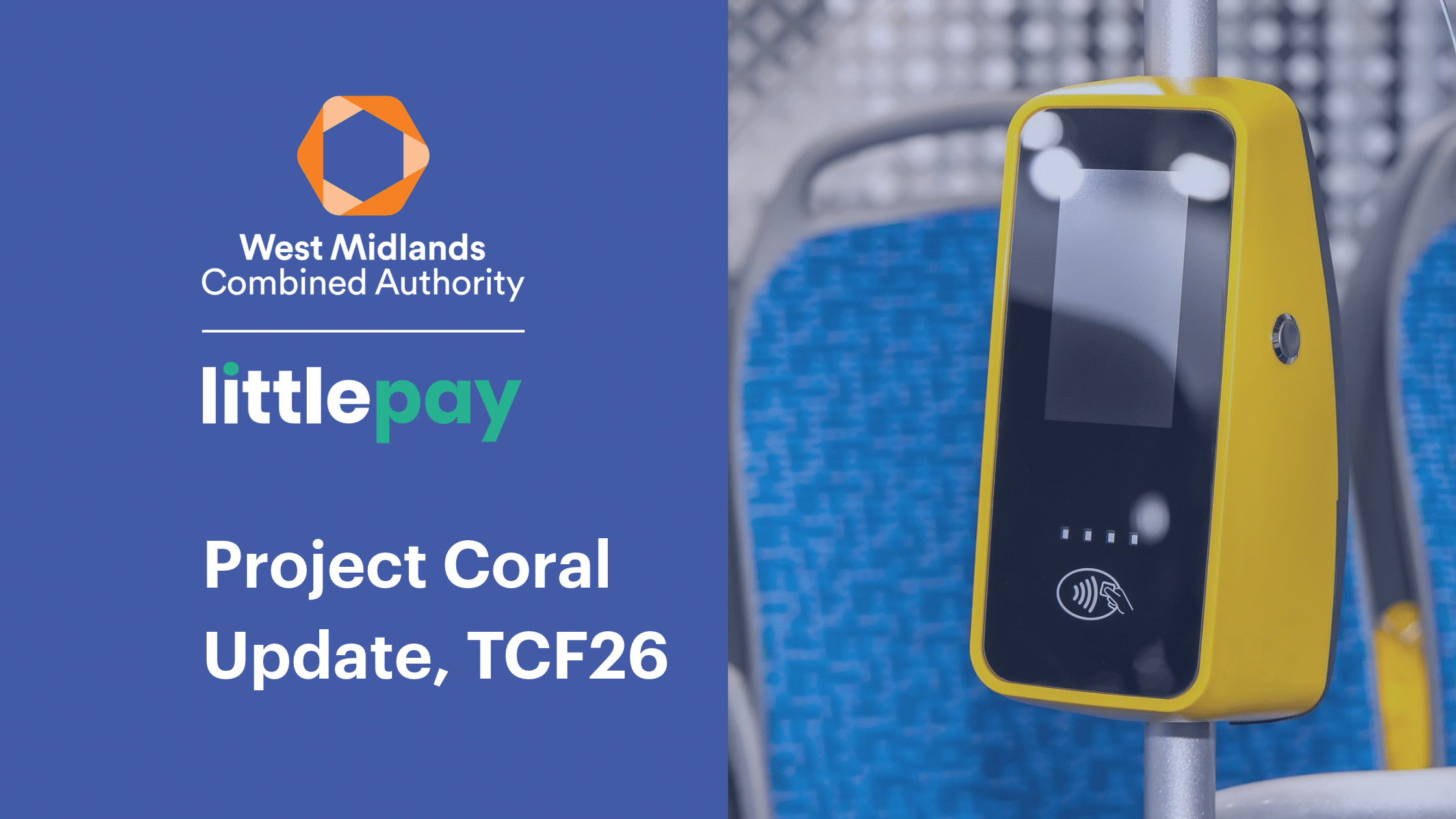
In a PSP bus environment, payments are processed onboard via validators. Speed is critical. Transactions must be authorised instantly to avoid delaying boarding and impacting service reliability.
PSP Train Systems
In a PSP train system, payments are typically processed at gates or platform validators. These systems manage higher passenger volumes and more complex fare structures, including distance-based pricing.
In both PSP bus and PSP train scenarios, the PSP ensures fast processing, accurate fare calculation, and reliable settlement across the network.
Key Components of a PSP in Transit
A payment service provider transit solution typically includes:
Payment Gateway
Captures transaction data at the point of tap and securely transmits it for processing.
Processing Engine
Routes transactions to networks and banks, ensuring real-time authorisation even during peak demand.
Security Systems
Includes encryption, tokenisation, and fraud detection to protect transactions and rider data.
Settlement and Reporting
Handles fund transfers and delivers clear, actionable insights on revenue and passenger behaviour.
For transit agencies, these components are delivered as a single, integrated platform, rather than multiple disconnected systems.
Why is a PSP Needed in Public Transit?
Modern transit systems face unique challenges:
- High passenger volumes
- Demand for instant boarding
- Multiple payment methods
- Global riders
A PSP in transit is designed to meet these challenges.
Speed enables tap-and-go journeys with near-instant processing.
Simplicity removes the need for legacy ticketing infrastructure.
Scalability supports growing bus and train networks without added complexity.
Global accessibility allows agencies to accept cards and devices from around the world.
This approach allows transit agencies to focus on running services, while payments are handled reliably in the background.
Benefits of a PSP for Transit Agencies
Understanding the PSP meaning also means recognising its impact in real-world operations.
Lower Operational Costs
Reducing reliance on cash and paper tickets lowers maintenance, handling, and staffing costs.
Faster Boarding
Contactless payments support faster boarding and improved on-time performance.
Improved Revenue Collection
Secure, traceable transactions reduce fare evasion and improve accuracy.
Better Data Insights
Access to detailed transaction data helps agencies optimise routes, schedules, and capacity.
Enhanced Customer Experience
Passengers can use cards, mobile wallets, and wearables, creating a consistent and intuitive journey.
Smarter Fare Management
Fare caps, concessions, and distance-based pricing can be handled automatically.
Future-Ready Systems
A PSP supports open-loop payments and account-based ticketing, enabling ongoing innovation without rebuilding infrastructure.
Security and Compliance in Transit Payments
Security is critical in payment service provider transit systems, where millions of transactions are processed daily.
A PSP ensures:
- End-to-end encryption and tokenisation
- Compliance with PCI DSS standards
- Real-time fraud monitoring and risk management
This reduces operational risk while maintaining trust for both agencies and riders.
Final Thoughts
As transit systems continue to digitise, the role of the PSP in transit becomes increasingly important.
Payment processing is no longer just operational. It is a core part of the passenger experience.
A payment service provider transit solution enables seamless, contactless journeys, supports PSP bus and PSP train networks at scale, and ensures secure, reliable payments across the system.
For transit agencies, adopting the right PSP is about more than payments. It is about delivering better, more connected mobility experiences for every rider.
 Insight
 Knowledge
 News
News