Transport Ticketing Global 2026
by Amin Shayan
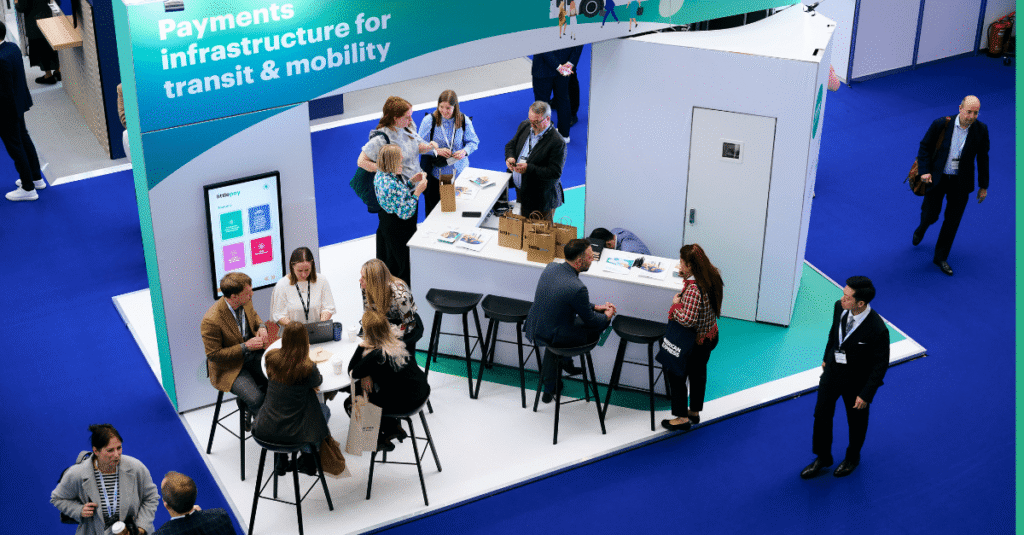
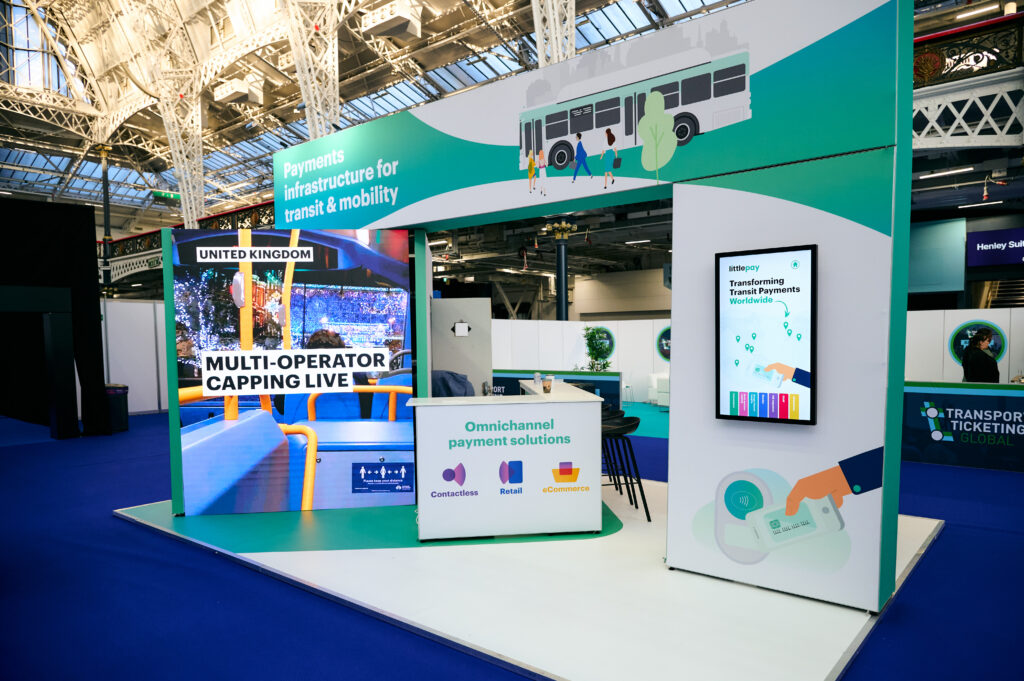
Transport Ticketing Global continues to be a valuable moment for the transit industry to reconnect, share progress, and test new ideas. This year’s conversations were guided by a clear priority. Operators and partners are looking for ways to make existing systems simpler, more connected, and easier to manage.
Simplifying complexity across the network
Most operators are managing systems that have evolved over time, resulting in multiple layers of technology, inconsistent passenger experiences across channels, and increasing complexity in reporting and reconciliation.
Therefore, the focus is shifting. Instead of asking what to add next, operators are asking how to make what they already have easier to manage and use. This includes standardising payments across operating companies, supporting both tap-to-pay and digital retail journeys, and simplifying reconciliation across systems. These challenges are not new, but they are becoming more urgent as networks scale and passenger expectations increase.
The Brighton & Hove launch of prepaid passes, alongside growing interest in linking tickets directly to contactless cards and wallets, has accelerated this shift. Operators are increasingly focused on building more connected and flexible payment experiences, including support for prepaid products and concessions, subscription-style travel, and managing multiple tokens across cards, wallets, and digital identities.
Concession support and eligibility checking were another area of interest. Operators are looking for clear and reliable ways to manage discounted fares while maintaining a smooth passenger experience. Explaining how these interfaces work across systems and partners reinforced the importance of interoperability and accurate data exchange.
Franchising and the future of UK transit networks
Closer to home, discussions around franchising in the UK raised important questions. Some see it as a challenge, while others see it as an opportunity to bring greater consistency across networks. As responsibility shifts back to authorities, fare collection becomes more strategic, shaping both passenger experience and how revenue is managed.
What stood out is that franchising is not just about control; it is about coordination. Aligning multiple operators, standardising payments, and delivering a more seamless experience across regions is becoming increasingly important. Done well, franchising can reduce fragmentation, simplify journeys, and create a more connected system for passengers and operators.
Google Transit Insights in focus
One of the most discussed topics this year was Google Transit Insights, particularly following the Brighton & Hove season passes launch.
There was clear interest in what this enables next. Conversations focused on how it could support Card As Authority to Travel, a fare model where passengers can buy tickets or passes online and link them to their contactless card or mobile wallet. Tapping then grants travel authorisation, removing the need for paper tickets or dedicated travel cards.
Operators are starting to see how this approach could extend ABT, making it easier to support passes, subscriptions, and more flexible fare models within a single framework.
Building on existing systems, not replacing them
Alongside this, the Washington Metropolitan Area Transit Authority (WMATA) overlay model came up frequently as a practical example of how to modernise without starting again.
Discussions around Washington, D.C. often began with a simple question about what was delivered, then became more meaningful when we explained the overlay fare engine and how it enables modernisation without replacing existing infrastructure. This helped demonstrate how complex systems can evolve in a controlled and efficient way.
This approach reflects a broader shift across the industry. Authorities are increasingly looking to avoid large, single-vendor systems and instead prioritise flexibility, interoperability, and control.
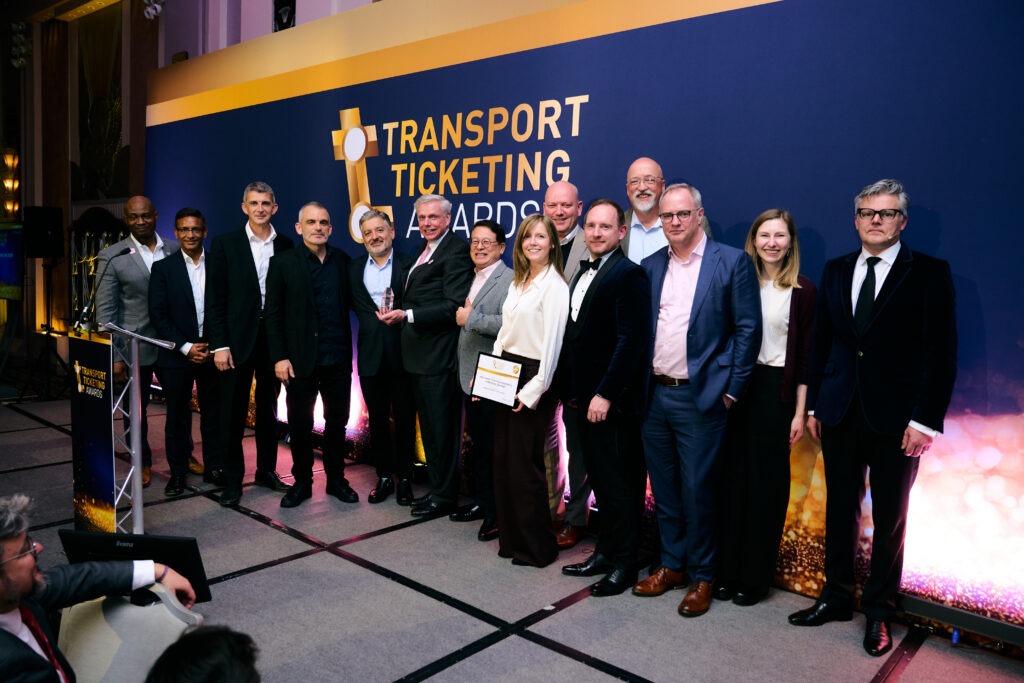
A key moment during the event was receiving the Transport Ticketing Award for Best Smart Ticketing Programme (over 500k daily journeys) for this work in Washington, D.C.
Recognition like this reinforces a broader message. Progress in transit payments is not about starting again, it is about building on what already works and improving it in a controlled, scalable way.
Connecting transit with wider city services
We wrapped up the event with the announcement of our evolving partnership with Mastercard, which quickly became a key topic of conversation.
At its core, the “whole-city” approach is about treating payments as shared infrastructure across urban services, not something limited to transit. Instead of separate systems for transport, parking, or other city services, the goal is to create a consistent experience where a passenger can use the same card or digital wallet across multiple touchpoints.
This means a single tap can extend beyond public transit, supporting access to a wider range of services while reducing friction for both passengers and operators. It also allows cities to connect data, simplify operations, and introduce new services without adding complexity.
By combining Mastercard’s global payments network and digital identity capabilities with Littlepay’s expertise in transit and mobility payments, the aim is to make everyday interactions simpler, more secure, and more consistent.
In practice, this gives cities the ability to test, learn, and scale what works, building a more connected urban experience over time rather than through large, one-off transformations.

Looking ahead
Transport Ticketing Global highlighted a shift from exploration to execution, but also from expansion to simplification.
Operators are not looking for more complexity. They are looking for clarity, consistency, and control.
By focusing on modularity, interoperability, and proven delivery, the industry can simplify what exists today while building a foundation for what comes next.
 Insight
 Knowledge
 News
News